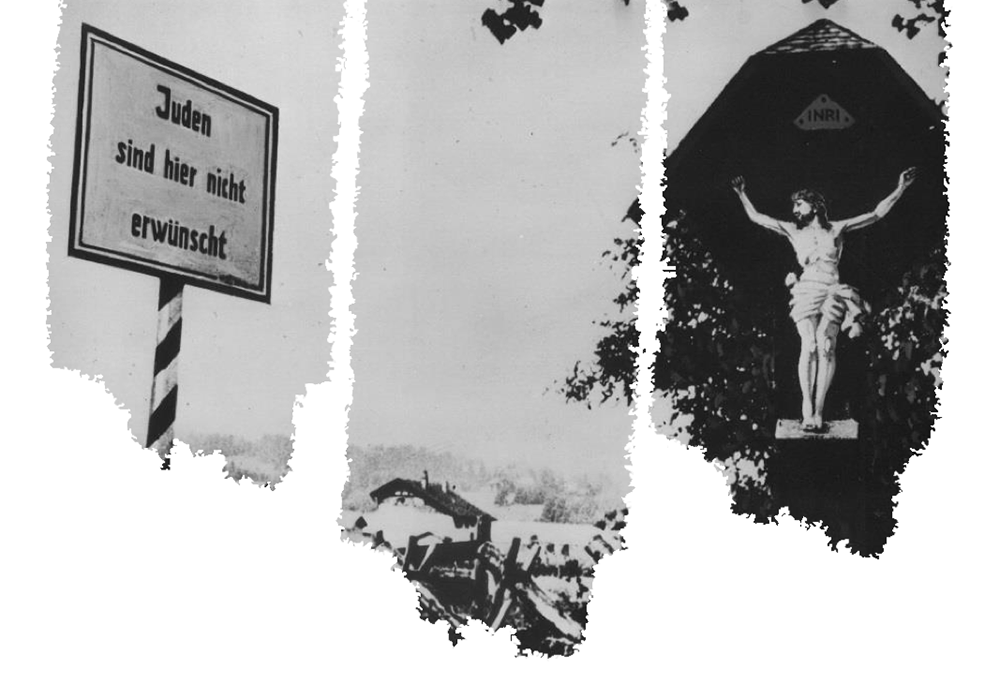
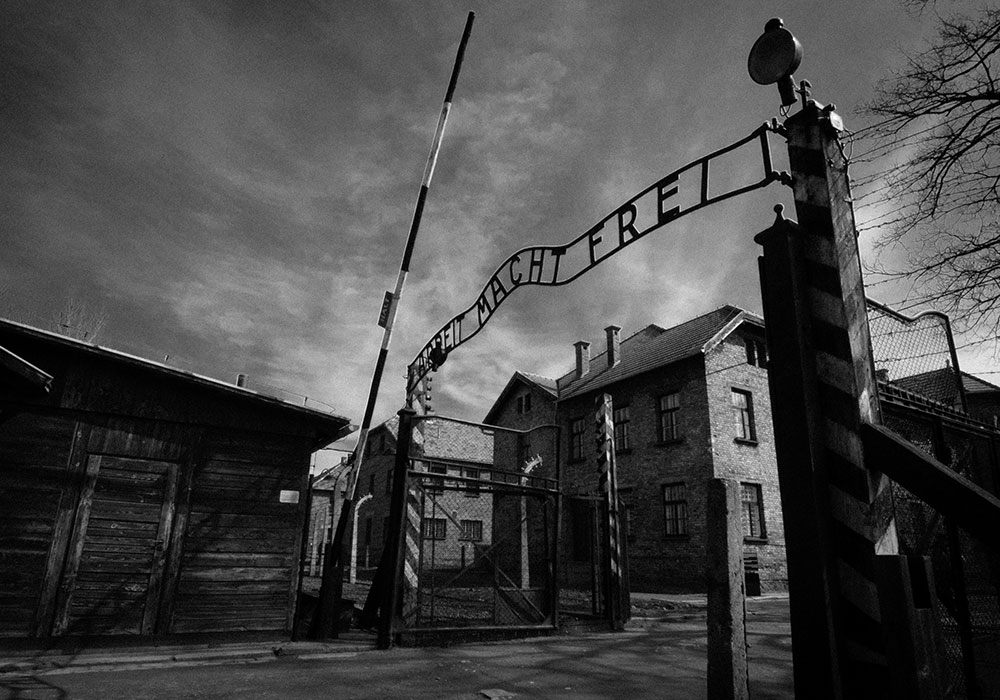
Antisemitic Myths and Libels

Antisemitism relies on conspiratorial ways of thinking about who Jews are and how they behave. It recycles ideas that are centuries old to explain events that may otherwise seem inexplicable, offering a simple, self-sustaining ‘truth’ in explanation: the myth of the evil, conniving Jew.
Philosopher Theodor W. Adorno therefore described antisemitism as “the rumour about the Jews”. (1) Accordingly, it makes little sense to search for clear rationale or logic in antisemitic thought. As George Orwell noted, antisemites are defined by “an ability to believe stories that could not possibly be true”. (2)
This dynamic is especially clear in the paradox that distinguishes antisemitism from other forms of prejudice. Most prejudice punches down, targeting groups seen as weak or inferior. Antisemitism does this, but also simultaneously punches up, portraying Jews as powerful and dangerous.
To the antisemite, Jews are imagined as a group that must be controlled and, at the same time, feared for their control. Despite its absurdity, this paradox makes antisemitism a useful conspiracism for antisemites to explain whatever they believe to be wrong with the world. (3) In short: Jews are always up to something and therefore to blame. As a result, all forms of antisemitism libel Jews.
These libels can be grouped into four broad and overlapping categories: the blood libel, the economic libel, the conspiracy libel, and the racial libel.
This section brings together resources that explore the conspiratorial structure of antisemitism and trace the history and persistence of these four libels.
- Adorno, T.W. (2005) Minima Moralia: Reflections from Damaged Life. Translated by E.F.N. Jephcott. London: Verso.
- Orwell, G. (1945) ‘Antisemitism in Britain’, Contemporary Jewish Record, 8(2), pp. 163–171
- Lipstadt, D. (2019) Antisemitism: Here and Now Scribe: Melbourne and London